 Crane
Crane Crane Finance Explains: How Your Credit Score Works and Why It Matters
Your credit score is a three-digit summary many lenders use to estimate how reliably you have handled credit. Understanding how a credit score works helps you plan applications, spot ways to improve, and ask better questions—especially if you are exploring bad credit installment loans or alternative assessments.
What a Credit Score Is (and Is Not)
A credit score is a statistical snapshot from one or more consumer credit files. Models weigh patterns such as on-time payments and how much revolving credit you use. A higher score generally suggests lower predicted risk; a lower score suggests higher risk. Scores differ by bureau and model, and they change as new information is reported.
A score is not a moral judgment or a permanent label—people rebuild after hardship all the time. It is also not the only data point every lender reviews. Some installment lenders—including Crane Finance—may use alternative credit assessment and consumer-reporting partners in addition to, or instead of, relying only on a traditional bureau score.
The Main Building Blocks of Most Credit Scores
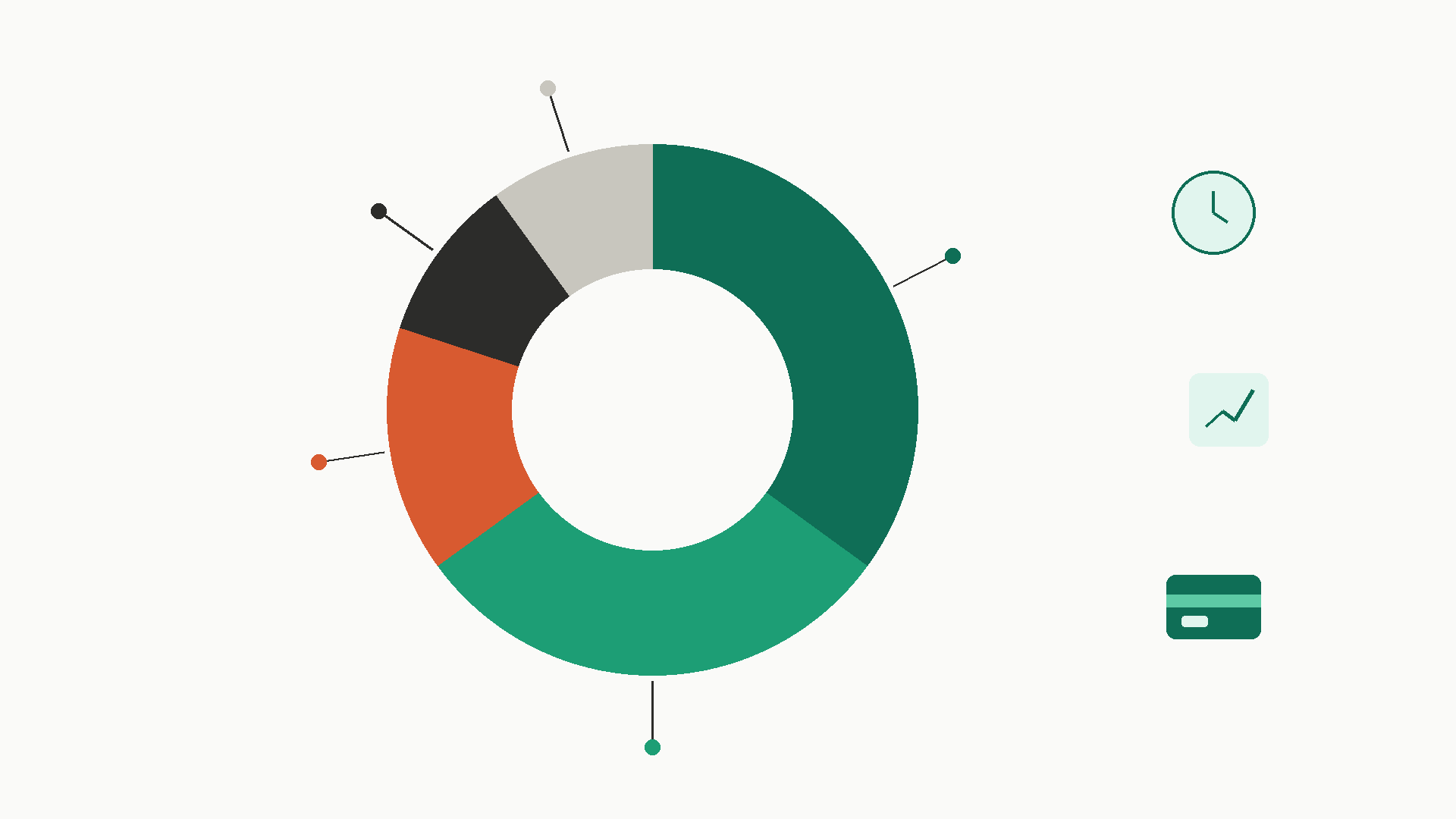
While exact formulas are proprietary, consumer education materials commonly describe five major factors. Thinking in these categories is enough for practical planning.
1. Payment history
This is usually the heaviest factor. On-time payments help; late payments, collections, and certain public-record items can weigh you down for years, though impact often fades as they age and you add positive history. In a tight month, protecting on-time status on accounts you intend to keep is often a priority.
2. Credit utilization (amounts owed)
For revolving accounts like credit cards, utilization compares balances to credit limits. Using a smaller share is generally viewed more favorably than maxing cards out. Paying down revolving balances can sometimes move a score faster than waiting for older negatives to age off—though every file is different.
3. Length of credit history
Older accounts with a clean track record can support your average age of accounts. Closing your only long-standing card may shorten that history. “Close everything” is rarely the first move when you are rebuilding.
4. Credit mix
Experience with different credit types (for example, a card and an installment loan) can help some models slightly. Mix is usually a smaller factor than payments and utilization—do not open accounts just to “game” it.
5. New credit and inquiries
Opening several new accounts in a short window, or generating many hard inquiries, can signal elevated risk for a period. Rate-shopping for certain loans in a short window is sometimes treated more gently than scattered unrelated applications—but habits still matter. Apply with intention.
Why Credit Scores Matter for Borrowers
Traditional lenders may use scores for approval, pricing, or limits. Landlords, insurers, and some employers may also review credit-related information where permitted. Practical reasons to care include more options later, potentially better terms from score-sensitive lenders, and an early warning when something is wrong on your file (error or fraud). Even with a low score, understanding these levers helps you build a plan rather than guessing.
Bad Credit and Installment Loans: A Realistic View
People search for “bad credit installment loans” when a traditional score is low, thin, or damaged. A lower score does not mean you should never borrow—and it does not mean every loan is a good fit. Read terms carefully, confirm payments fit your budget, and understand how each lender evaluates applications.
Some online installment lenders review more than a single classic bureau score. Practices may include alternative data and verification through consumer-reporting or analytics partners. Examples used in the industry—and that Crane Finance may use—include Clarity, DataX, and Factor Trust. These partners can help verify information, assess risk with additional data, or support responsible underwriting.
A past credit challenge is not always the end of the conversation, and it does not guarantee approval. Crane Finance reviews applications under its own criteria. See rates and terms for product information. For common borrower questions—including exploring a loan when credit has been less than perfect—start on our homepage, then continue to a formal application when you are ready.
Long-Term Habits That Support Credit Health
Improvement is usually a marathon, not a sprint. Consider these durable habits:
- Pay on time, every time you can. Automate reminders or minimum payments if that prevents accidental lates—then pay more when cash flow allows.
- Reduce revolving utilization. Even partial paydowns can help the utilization story.
- Check your credit reports periodically for errors or accounts you do not recognize, and dispute inaccuracies through the proper channels.
- Avoid unnecessary new accounts while you are stabilizing.
- Keep older accounts in good standing when they still serve you.
- Build a small emergency buffer so one surprise bill does not force a cascade of late payments.
- Use installment credit intentionally. If you borrow, choose an amount and schedule you can finish—successful repayment can become part of a healthier file over time when it is reported.
No single tip repairs every situation overnight. Consistency does the heavy lifting.
How This Fits With Crane Finance’s Educational Approach
We offer online installment loans generally in the $100–$1,500 range and believe borrowers deserve plain explanations of credit concepts before they apply. Knowing how a credit score works—and knowing that some lenders look at alternative assessments—helps you enter the process with clearer expectations.
Remember: educational content is not a promise of approval, a guarantee of score improvement, or personalized credit counseling. If you need a detailed budget plan or debt-management program, a nonprofit credit counselor can be a valuable next step alongside any lending decision.
Conclusion / Final Thoughts
Credit scores summarize payment history, utilization, age of accounts, mix, and recent applications. They matter because many financial doors still reference them—but they are not the only story, especially when installment lenders use additional verification and alternative data partners such as Clarity, DataX, or Factor Trust as part of a broader review.
Whether your score is strong or you are rebuilding, focus on habits you control: on-time payments, lower revolving balances, accurate reports, and careful new applications. When you want to see whether a Crane Finance installment loan may fit your situation, review product information and apply through our official channel.
Ready to Take the Next Step?
Apply with Crane Finance and review your terms before you sign.