 Crane
Crane How to Budget Your Loan Repayments: A Crane Finance Practical Guide
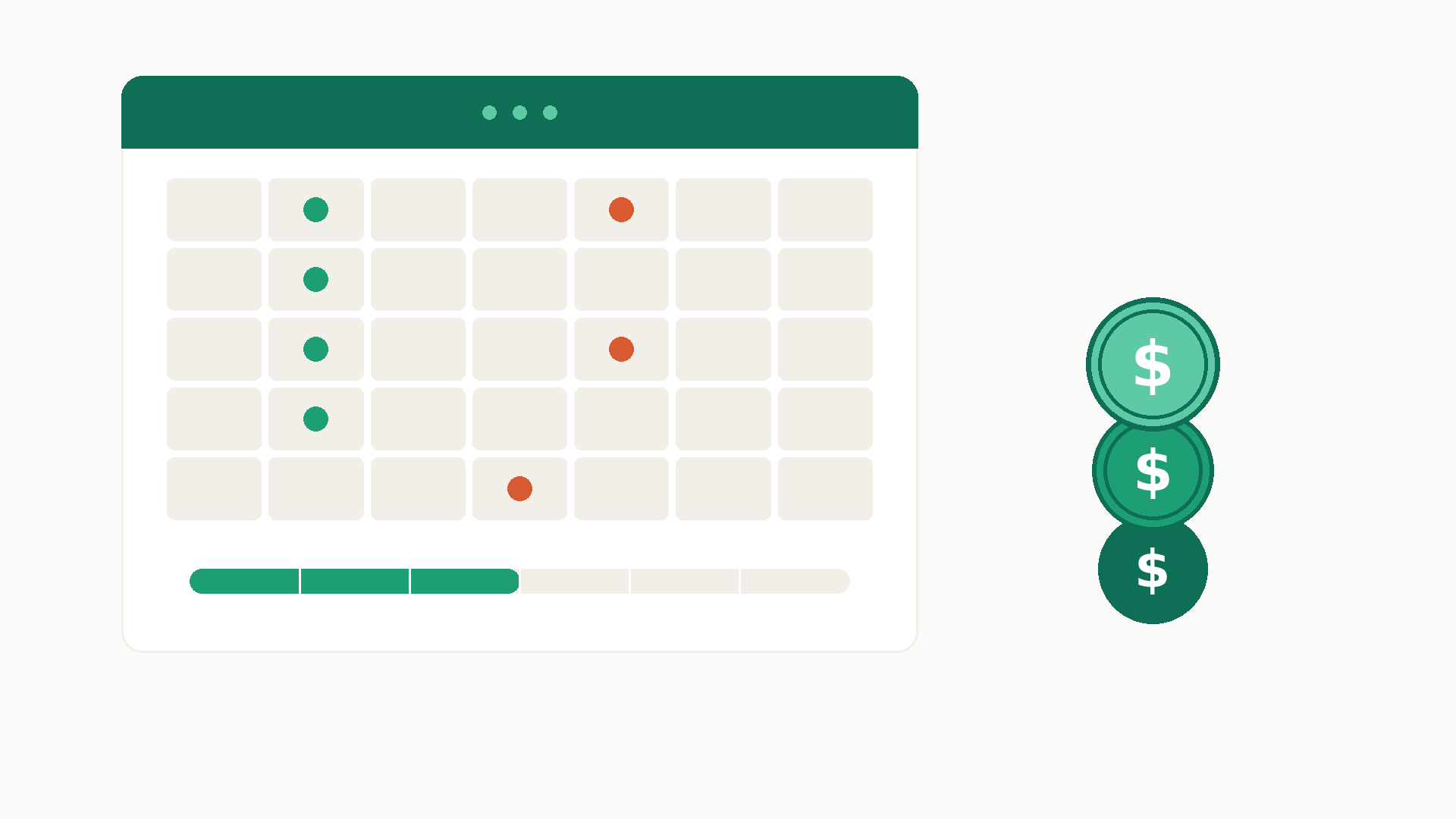
A clear plan to budget loan repayment can turn a stressful obligation into a manageable routine. If you are figuring out how to repay installment loan balances without falling behind on rent or groceries, this Crane Finance guide gives practical steps you can use before and after you borrow. You will learn a simple money framework, how to build a repayment calendar, and tips that may help you pay early when your agreement allows it.
Budget Loan Repayment Starts Before You Borrow
The smartest way to budget loan repayment is to test affordability before you apply. A loan payment that looks small on its own can still squeeze your month if housing, food, and transportation already take most of your income.
Try this quick affordability check:
- List take-home pay for the month (what actually hits your account).
- Subtract must-pay bills: rent or mortgage, utilities, groceries, transportation, insurance, childcare, and minimums on other debts.
- What remains is your flexible amount.
- Ask: Can a new installment payment fit comfortably inside that flexible amount—with a cushion left for surprises?
If the answer is no, reduce the amount you might borrow, wait, or explore other options. For cost disclosures related to Crane Finance products, see Rates And Terms. Understanding the yearly cost of credit also helps; learn more about APR so you compare offers with eyes open.
Remember: approval does not equal affordability. Only you know your full budget picture.
Use a Simple 50/30/20-Style Framework
You do not need complex software to plan. A simple framework—often called 50/30/20—can organize your money:
- About 50% for needs — housing, utilities, groceries, basic transport, insurance, and required debt payments (including your installment loan)
- About 30% for wants — dining out, streaming, hobbies, non-essential shopping
- About 20% for savings and extra debt payoff — emergency fund, future goals, and optional early loan payments
Your percentages may differ. In a high-rent area, needs might take more than half. That is okay. The point is visibility: when you know where money goes, you can protect the loan payment.
Treat your installment payment as a need, not a want. Put it in the same mental bucket as rent. If needs already exceed a healthy share of income, fix that imbalance before adding a new loan—or choose a smaller amount. Assign real dollars to each category, then schedule the loan payment on a payday so the money is reserved before discretionary spending begins. That habit is central to how to repay installment loan balances on time.
Prioritize Bills So Your Loan Stays on Track
When cash is tight, priority order matters. A practical sequence many households use:
- Housing — rent or mortgage
- Utilities and food — keep the household running
- Transportation for work — so income continues
- Required debt payments — including your installment loan
- Other obligations — then wants
Missing a loan payment can trigger late fees and stress. Missing rent can risk housing. Balance both by cutting wants first, then trimming flexible needs carefully. If you truly cannot pay everything, contact creditors early—silence makes options worse.
Also watch for “payment stacking”: several due dates in the same week. Spreading due dates (when possible) or aligning them with paydays reduces the chance you run empty mid-cycle. For common pitfalls that undo a good plan, see Avoid Borrowing Mistakes. Pair that reading with Rates And Terms so you know what fees or timing rules apply to your agreement.
Create a Repayment Calendar You Will Actually Use
A written or phone calendar is one of the simplest tools for how to repay installment loan amounts successfully.
Build your calendar in four steps:
- Mark every payday for the next few months.
- Write the loan due date and payment amount on each cycle.
- Set two reminders — one three days before, and one on payday to move money aside.
- Note the final payment date so you can celebrate the payoff and stop treating that money as already spent.
If your bank allows scheduled transfers or bill pay, automation can reduce forgotten due dates. Keep enough buffer so automation does not cause overdrafts. If your income varies, paying manually right after payday may be safer than auto-pay from a thin balance. Each month, glance at the remaining balance—watching the number fall reinforces the plan.
Tips to Pay Early and Stay Flexible
Paying on time protects you. Paying early or extra—when your loan agreement allows—may reduce total interest because interest is often calculated on the remaining balance over time. Rules differ by product and state, so read your contract and Rates And Terms before you assume how prepayment works.
Helpful habits:
- Round up — adding a little extra when you can may shorten the term
- Use windfalls wisely — tax refunds, bonuses, or gifts can knock down principal after essentials
- Cut one want for a month — redirect that money to the loan once
- Avoid new debt while this loan is open, if you can
Do not skip a required payment to make an “extra” payment later. Stay current first; accelerate second. If a hardship hits, contact the lender sooner rather than later.
A solid budget loan repayment plan also includes a small cushion so a flat tire does not force a new loan on top of the old one. Review monthly: Did any bill increase? Did hours change? Can you trim a subscription? If your situation improves, direct surplus to principal. Knowing how to repay installment loan debt is a short series of check-ins until the balance hits zero.
Conclusion / Final Thoughts
To budget loan repayment well, calculate affordability before you borrow, use a simple needs-wants-savings framework, prioritize bills, and run a repayment calendar you trust. That is the practical path for how to repay installment loan balances without constant stress.
Pair your plan with clear cost information at Rates And Terms, deepen your cost knowledge via understanding APR, and avoid rushed decisions. When your budget supports a fixed payment and your purpose is sound, you can move forward with more confidence.
Ready to Budget with Confidence?
Apply when your repayment plan is in place.