 Crane
Crane 5 Smart Ways to Use Your Crane Finance Installment Loan
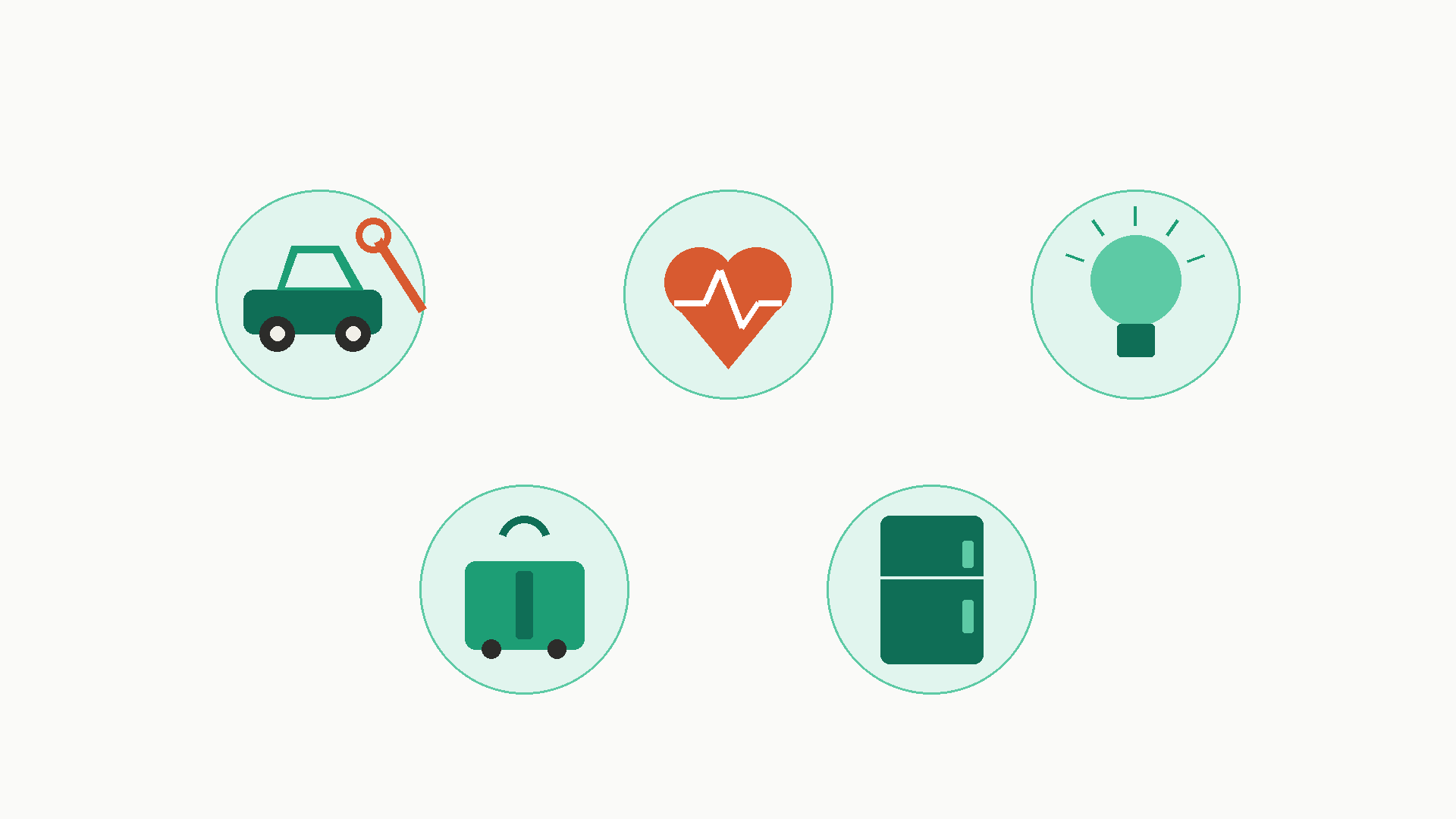
Knowing how to use installment loan funds wisely can turn a short-term product into a helpful bridge—not a burden. Many people look for emergency loan uses when life throws a surprise bill their way. This guide covers five real-world scenarios where a Crane Finance installment loan may fit, plus honest notes on when borrowing is not the right move.
How to Use Installment Loan Funds for Real Emergencies
The best how to use installment loan strategy starts with a clear purpose. Use the money for a need that is time-sensitive, hard to delay, and tied to keeping your life stable—transportation, health, housing basics, or essential family obligations.
Before you borrow, ask yourself:
- Will this expense cause bigger problems if I wait?
- Can I repay the fixed payments without skipping rent or groceries?
- Is there a lower-cost option (a provider payment plan, family help, or waiting one paycheck)?
If the need is urgent and you can truly afford the payments, an installment loan may be a reasonable tool. Costs and eligibility vary; see Rates And Terms before you decide. For habits that keep borrowing safer, review our responsible borrowing checklist.
The five emergency loan uses below are illustrations—not guarantees that every applicant will qualify or that every situation needs a loan.
Five Practical Scenarios for Emergency Loan Uses
1. Emergency car repair so you can keep working
Your car won’t start the week before a full work schedule. The shop quotes a repair that is more than you have in checking. Without the car, you risk missing shifts and losing income.
An installment loan can cover the repair so you protect your paycheck. Borrow only what matches the invoice—not a padded “just in case” amount. Keep the receipt, and build the loan payment into your next months’ budget. Get a written estimate when possible, confirm the repair is necessary (not cosmetic), and factor in towing or diagnostic fees.
Transportation is a top emergency loan use because lost wages can cost more than the repair. If public transit or a temporary ride is realistic for a short period, weigh that option first.
2. A medical bill that needs attention now
You receive a medical bill after an urgent visit. Insurance covered part of it, but your share is due soon, and collections would stress your household.
Using installment funds to clear a medical balance can reduce late fees—if a provider payment plan is worse for your cash flow, or if none is available. Always ask the clinic or hospital about in-house plans before you borrow; those plans sometimes carry no interest.
If you do use a loan, borrow only the patient responsibility amount, keep your paperwork, and schedule the loan payment on a day that does not collide with rent. Health-related costs are among the most common reasons people search how to use installment loan options. Treat the loan as a bridge, then rebuild a small emergency cushion once the bill is paid.
3. A utility bill deadline that protects your home
A past-due notice says service may be disconnected soon. You have part of the amount, but not all of it, and disconnection fees would make the problem worse.
Paying a utility bill with installment funds can keep lights, heat, or water on—especially in extreme weather. Contact the utility first. Many offer hardship plans, extensions, or budget billing. Use a loan only if those options are not enough and disconnection is a real risk.
Call for the exact amount to stop disconnection, confirm the deadline, borrow that gap, and set a reminder for the first loan payment on payday. Pair this with a plan so the same bill does not become a pattern. Our budget loan repayments guide can help you map payments after you borrow.
4. Essential travel for family or work obligations
A close family member has a serious situation, and you need to travel—or your job requires a short trip that is not fully reimbursed upfront. Tickets and basic lodging add up quickly.
Not every trip deserves a loan. Vacations and optional getaways are poor uses of installment credit. Essential travel—such as a funeral, a medical support visit, or required work travel—may be different when delay is not realistic.
Stick to necessary costs, avoid upgrades or side trips, and check whether an employer, union, or community fund can help. When people ask how to use installment loan money for travel, the keyword is essential. If the trip can wait or be shorter, shrink the plan before you grow the loan.
5. Replacing a broken home appliance you rely on daily
Your refrigerator fails, or your only washer breaks and laundromat costs are eating your budget. Food spoilage or weekly laundry fees may exceed a modest repair or replacement over a few months.
A functional fridge, stove, or washer can be a household necessity. An installment loan can fund a basic replacement—not a luxury upgrade. Compare repair versus replace. Choose a reliable, basic model; look at store payment plans and compare total cost with a loan. Appliance failure is another frequent emergency loan use. Match the loan size to a practical product, then repay steadily.
Match the Loan Amount to the Need
A smart rule for how to use installment loan money is simple: borrow what the need requires, not what the maximum offer allows. Extra cash sitting unused often gets spent on non-essentials, and then the payment feels heavier than the original problem.
Write down the exact expense, add a small buffer only for documented related costs (taxes, delivery, a required part), and stop there. After the purchase or bill is paid, put any leftover toward the first loan payment or keep it as a tiny emergency reserve—not as spending money.
When a Loan Is Not the Smart Choice
Even smart emergency loan uses have limits. Avoid borrowing when:
- You would struggle to make the first few payments
- The expense is wants-based (electronics upgrades, entertainment)
- You already have multiple short-term loans stacking up
- A free or low-cost alternative exists and you have not tried it
Crane Finance supports informed decisions. Read Rates And Terms, use our responsible borrowing checklist, and only apply if the purpose and the payment both make sense.
Conclusion / Final Thoughts
Learning how to use installment loan funds well means matching the money to urgent, necessary needs—car repairs, medical bills, utility deadlines, essential travel, and basic appliances. Those emergency loan uses work best when payments fit your budget and the loan has a clear end.
Borrow with a plan, keep amounts modest, and treat the loan as temporary help—not a habit. When you are ready to see options, take a calm next step.
Have a Short-Term Need and a Repayment Plan?
Check whether Crane Finance may be a fit for you.